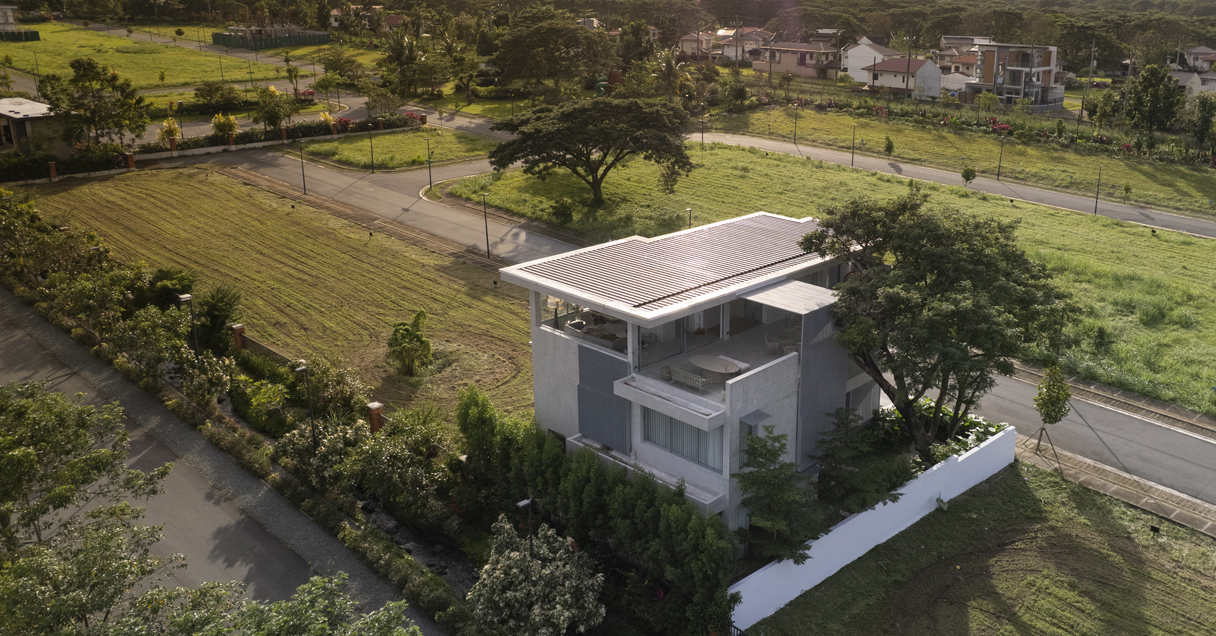
Before form, there was a decision. A pause. A choice to understand.
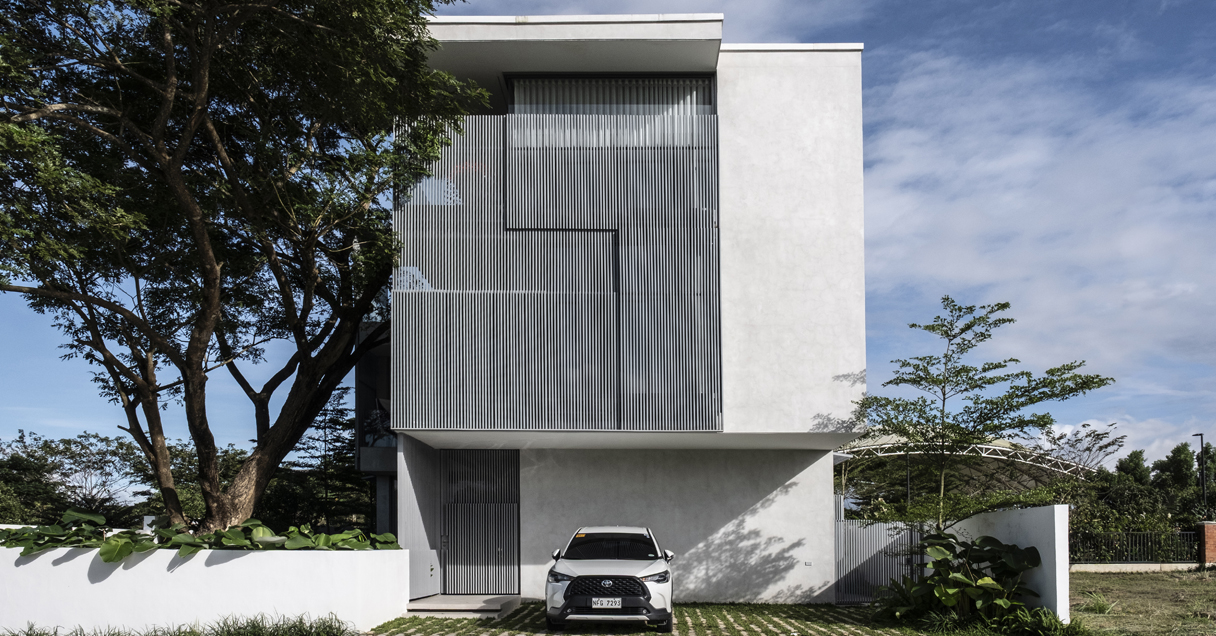
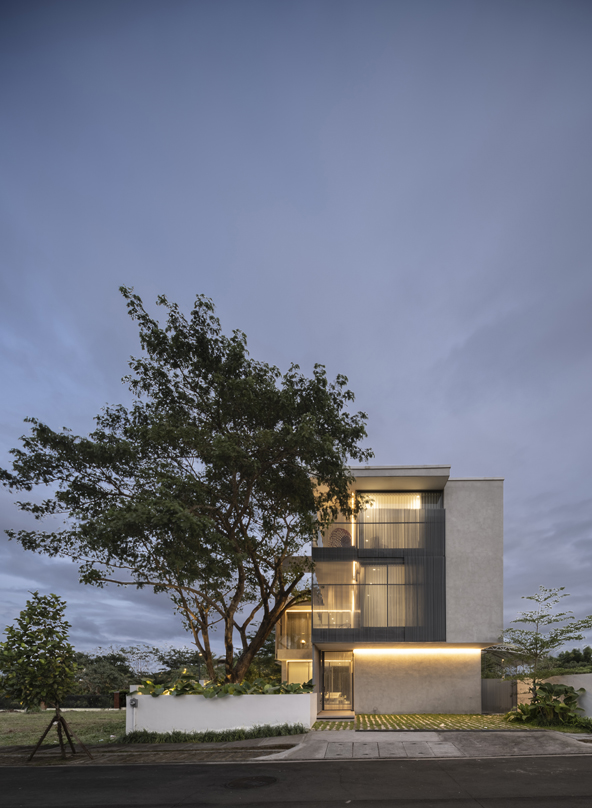
The tree was meant to be removed—a quiet certainty already decided by default. In that moment, the direction could have easily followed what was expected. Instead, there was a willingness to listen before proceeding.
A request was made to keep it.
Not as a feature, but as truth.
In that gesture, the architecture found its origin. It did not begin from the drawing board, but from what was already there. The tree became the center—not by design, but by respect. From it, the spaces began to take shape, learning how to move, how to open, how to breathe.
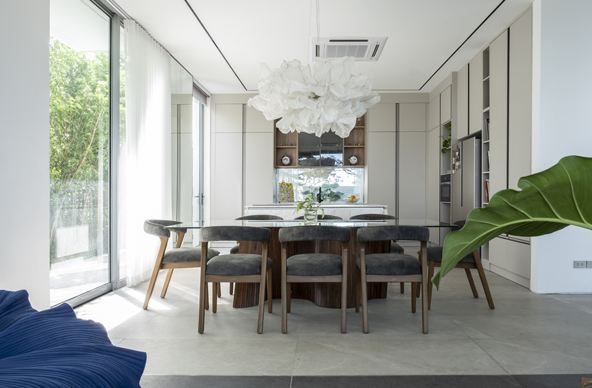
Air flows not because it was engineered, but because it was allowed. Light enters not to impress, but to reveal time as it passes through the day.
This is where architecture aligns with nature—not as an idea, but as a condition. The house does not stand on the land. It belongs to it.
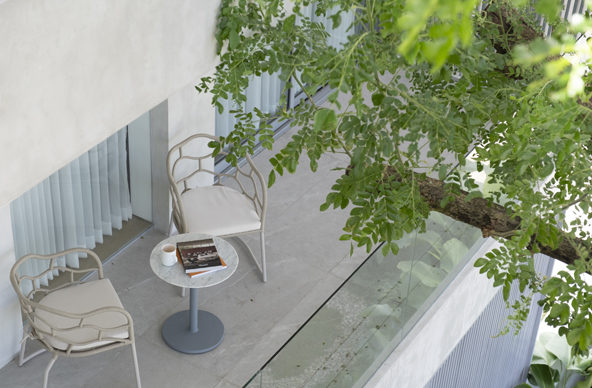
The tree anchors the life within, holding memory, shade, and presence. It becomes a quiet witness to everyday rituals—to stillness and movement, to life unfolding in its own rhythm.
In saving the tree, nothing new was added. What was essential was simply not taken away.
And in doing so, the space found its soul.
Here, architecture is not imposed. It is revealed.
Here, nature is not outside. It is indwelling.